Please note that Gaggle, one of our district’s online student safety management systems, will not be active from June 10 through August 15.
During this time, student-generated documents will not be reviewed by district staff. Parents and guardians may wish to ramp up supervision of their children’s use of online interactions.
Gaggle reviews student-generated documents for words and phrases that trigger a concern for student safety. For those students retaining district-owned Chromebooks during the summer, will still have web filtering in place to protect students from accessing harmful or malicious websites.
A Word About Wellness
Surgeon General’s Advisory on Social Media and Youth Mental Health highlights the potential harm social media can have on young people's mental health. The May 23 report mentions exposure to violent, sexual, bullying, and harassing content, as well as the negative impact on sleep and in-person interactions. The advisory suggests that parents and caregivers can take steps to protect their children, such as establishing tech-free zones, foster in-person relationships, teaching responsible online behavior, modeling good behavior, and reporting problematic content and activity.
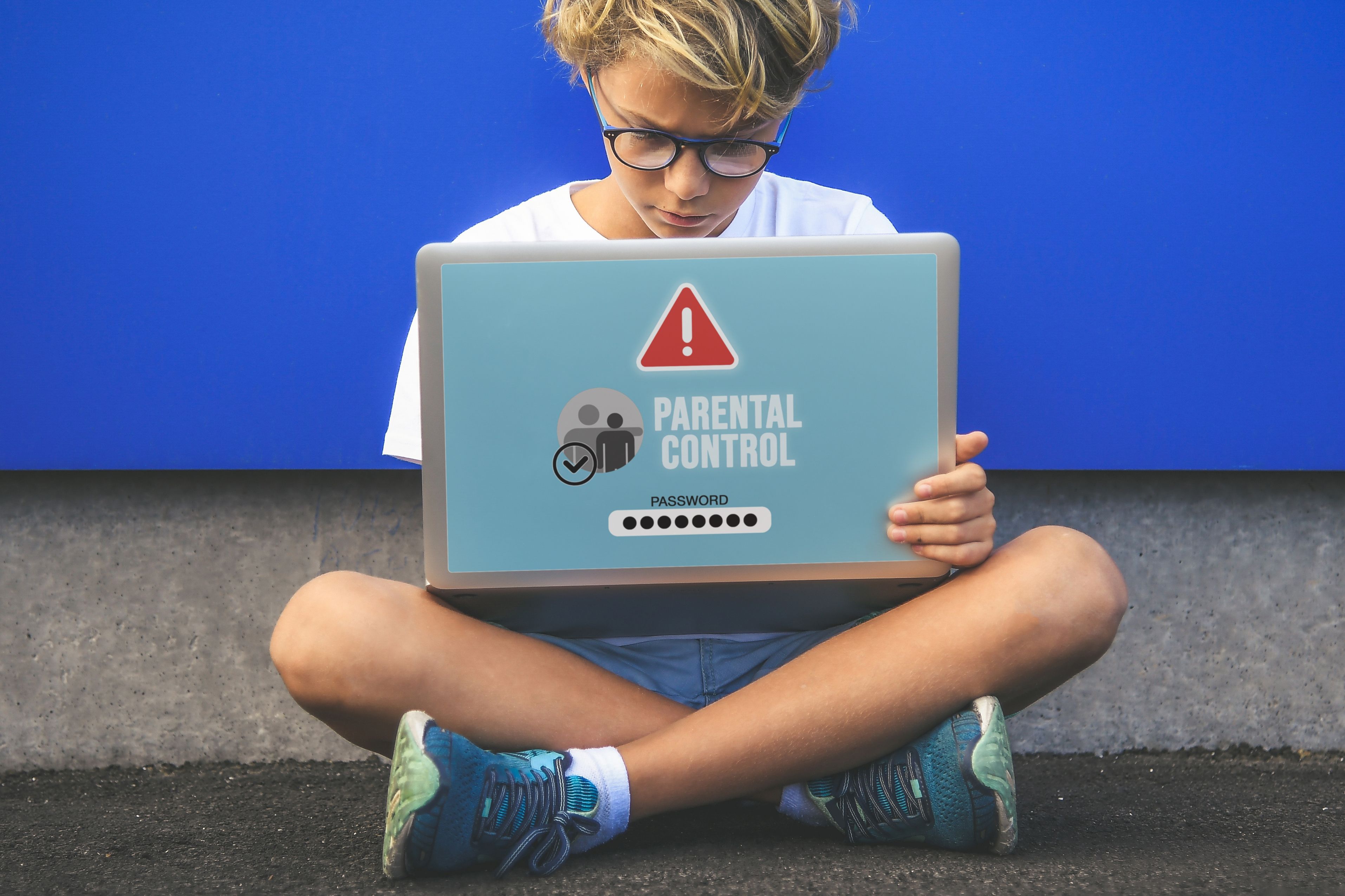
Tips for Family Supervision and Parental Control The nonprofit Common Sense Media offers a multitude of resources and information to help families navigate the benefits and pitfalls of screen time and social media use. Parents and caregivers may find the following articles helpful.
We encourage parents and guardians to stay vigilant and actively supervise their children's online activities, especially during the period when Gaggle is inactive. By fostering responsible digital behavior and maintaining open communication, families can help ensure a safe and healthy online experience for their children.


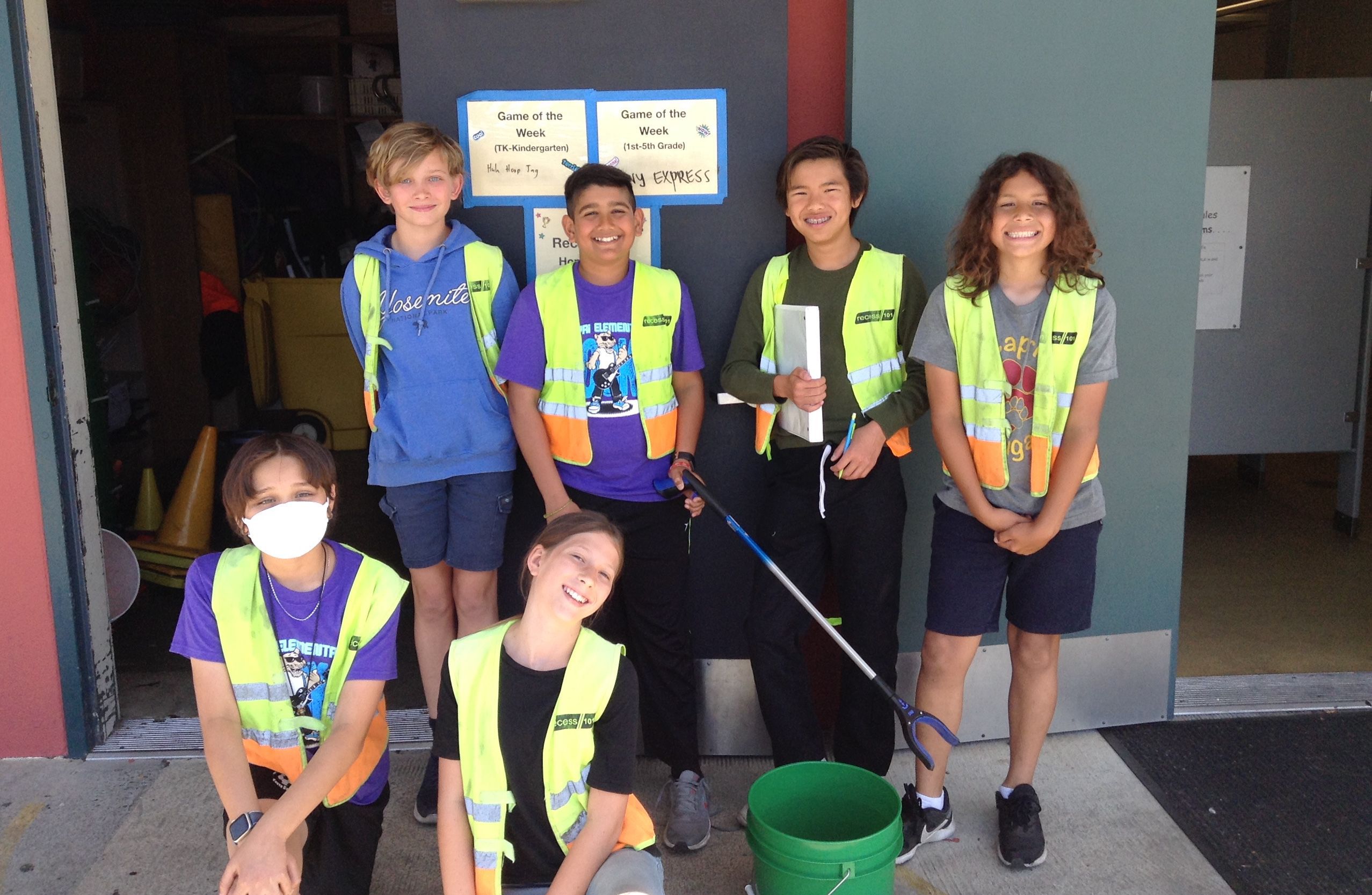
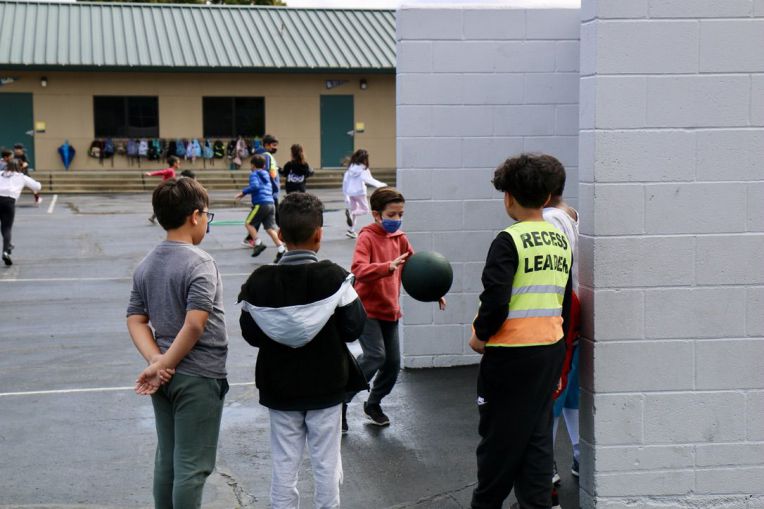 The PE Leaders
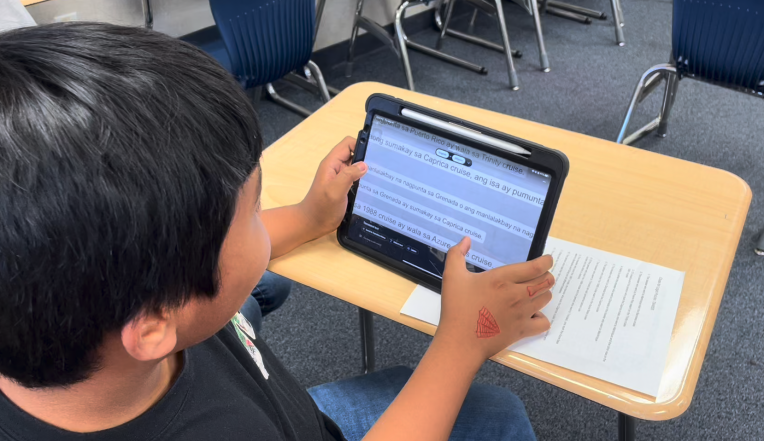 “It helps our students continue to be successful in school, by accessing content-specific material in their home language,” said Teacher Cheryl Lee. The project does more than assist students with their studies. It also builds a sense of belonging as communication between all peers increases. “It also helps students know that they can help themselves,” said student Mobasher.
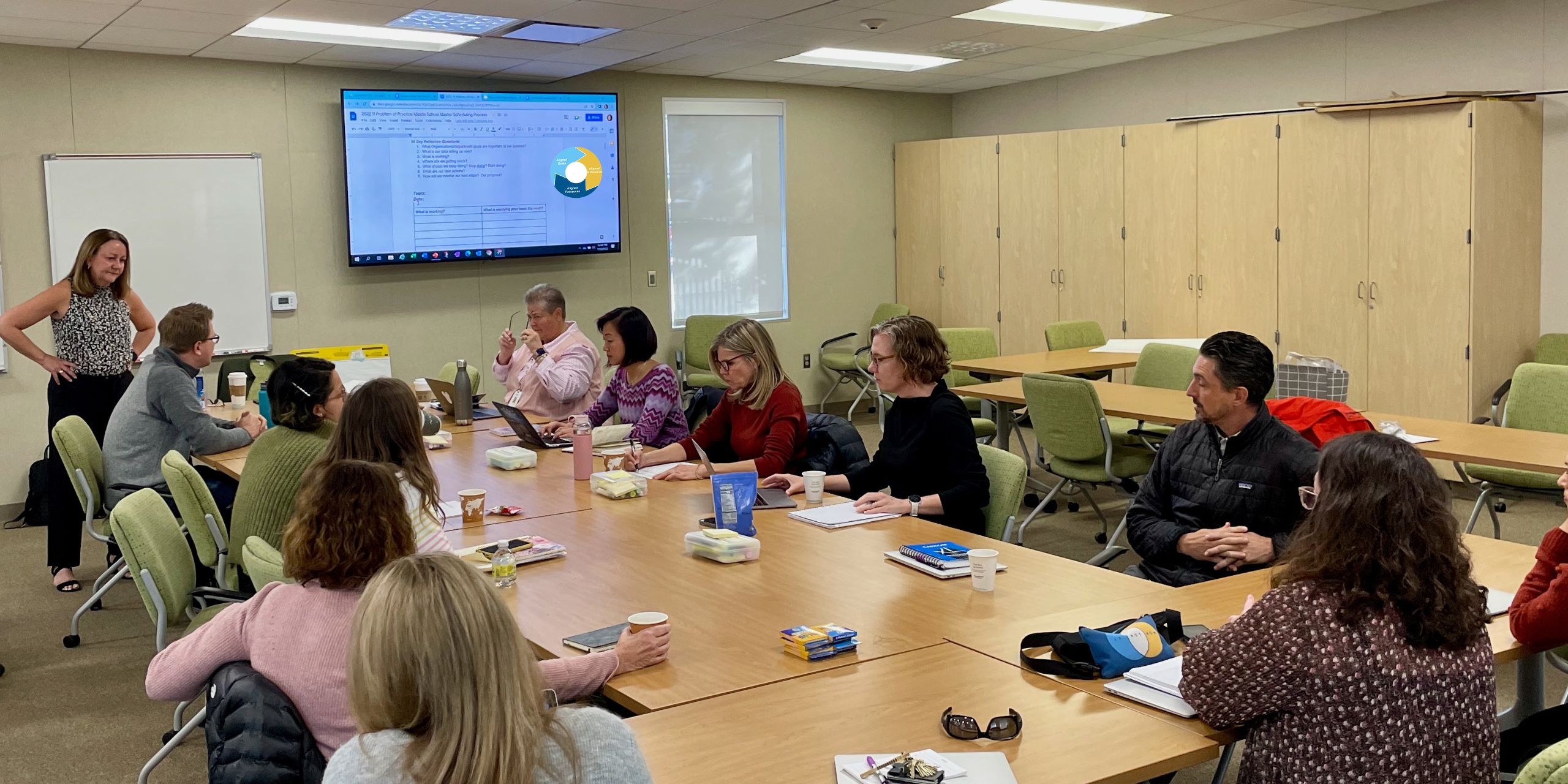
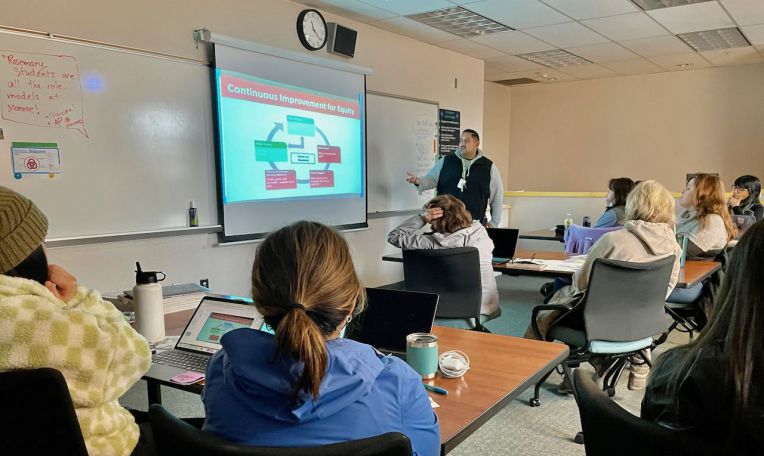 Since the 2021-22 school year, district leaders have trained to use improvement practices to tackle barriers to learning—language differences, socioeconomic disadvantages, and others—and close achievement gaps. Training is expanding this year to include school-level staff.
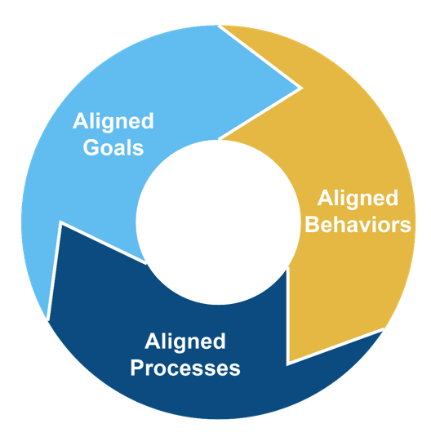 Using surveys, assessments, and other data sources, staff can identify one or two ‘pain points’ in the system, test a solution, study the outcomes, and adjust or continue the practice based on the data. Then, they move on to the next one.